Flat Clearance Chelsea: Recycling and Sustainability Commitments
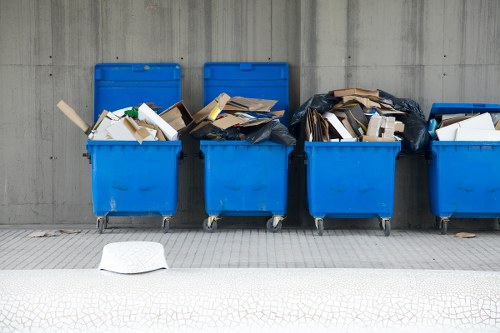 Flat Clearance Chelsea is committed to running an eco-friendly waste disposal area and promoting a genuinely sustainable rubbish area across every job in the Royal Borough. Our approach balances practical clearance services with measurable environmental outcomes: we prioritise reuse, maximise recycling, and minimise carbon emissions from collection and processing. This page outlines the targets we work toward, the ways we partner locally, and the operational steps we take to keep Chelsea flats cleared responsibly.
We set an ambitious recycling percentage target for our operations: 70% recycling and reuse by 2028 from all flat clearance projects in the area, aiming to surpass local averages and align with progressive borough policies. That target covers material recovery (glass, paper, card, metals), textile and furniture reuse, and specialist treatment of WEEE and hazardous small items. By tracking tonnes diverted from landfill and counting items donated to third-party partners, our Chelsea flat clearance services stay accountable and transparent.
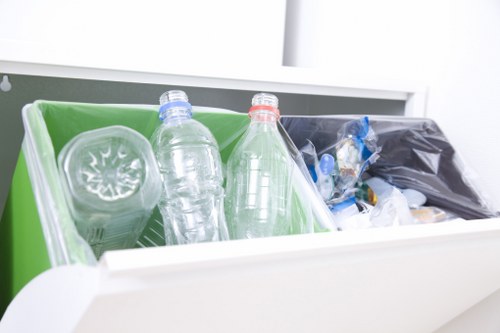 The Royal Borough’s approach to waste separation informs our on-the-ground process: residents are encouraged to segregate food waste, glass, mixed recycling and paper at source, while bulky and household items are collected separately. For flat clearance in Chelsea this means we operate a two-stage sort—first at the property to remove obvious reusables, then at transfer or sorting facilities to separate materials for recycling streams. Where possible we work with building managers to use the borough’s standard colour-coding and signage so items make their way into the correct municipal routes.
Partnerships with Charities and Social Enterprises
To keep reuse central to our sustainable rubbish area strategy we partner with local charities and social enterprises that accept furniture, working appliances and clean textiles. Rather than consigning reusable items to a skip, our Chelsea flat clearance teams will mark items for donation and coordinate collections with partner organisations. These partnerships create social value as well as reducing waste: donated goods are refurbished, resold in charity shops, or distributed to those in need.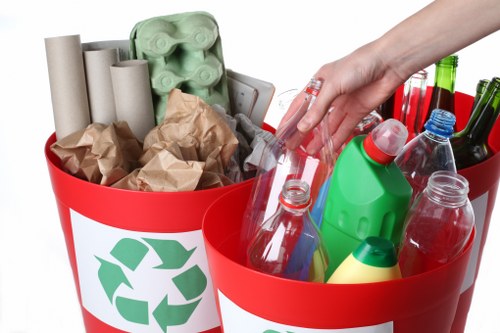
- Furniture reuse schemes — sofas, beds and tables that are safe and repairable.
- Textile banks and workshops — clothing and soft furnishings restored or recycled.
- Appliance and electronics partners — WEEE items tested, repaired or responsibly recycled.
Local Transfer Stations and Civic Amenity Sites
We make regular use of nearby local transfer stations and civic amenity sites serving Kensington and Chelsea and neighbouring boroughs to ensure correct material routing. These facilities handle final sorting, compaction and onward transport to specialist processors. By choosing the appropriate transfer station we shorten haul distances and reduce the time materials spend in transit — a key factor in maintaining a low-carbon footprint for clearance jobs.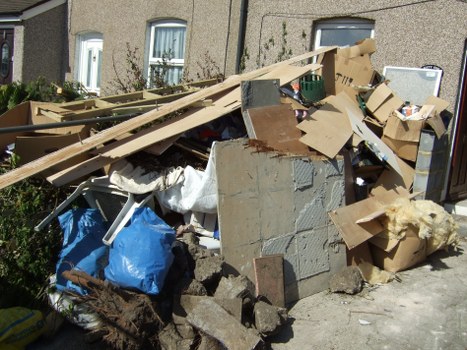 Low-carbon vans and emissions reductions are central to our sustainable operations. Our fleet for Chelsea flat clearance includes hybrid and electric vans where routes and load requirements allow, plus optimised daily route planning to minimise mileage. We are gradually replacing diesel vehicles with low-emission alternatives and exploring biogas and electric conversion options for larger vehicles. These measures form the backbone of our pledge to lower transport emissions while keeping an efficient eco-friendly rubbish disposal service in the borough.
Operational commitments include staff training on materials recognition and segregation, regular audits of diversion rates, and partnership reviews with local transfer stations and charities. We maintain a record of tonnes recycled, redistributed and sent for energy recovery to benchmark progress against our recycling percentage target. Where reuse is not possible, we prioritise certified recycling streams and accredited processors to reduce environmental impact.
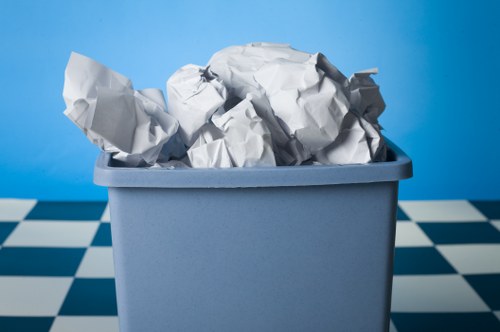 In practice, creating a truly sustainable rubbish area for Chelsea flats means implementing small changes with big effects: on-site pre-sorting, clear labelling for residents and building managers, dedicated bays for batteries and small WEEE, and strict separation of hazardous items. Our teams follow the borough-recommended separation categories — food waste, glass & cans, paper & card, textiles, bulky waste — and add clear options for items that can be reclaimed by charities or routed to specialist recycling.
Flat clearance in Chelsea is about more than removing items; it’s about returning materials into productive cycles. We aim to divert as much as possible away from landfill and into either reuse channels or high-quality recycling. This includes repairable furniture, working white goods, and reusable household items that charities can redistribute, plus recyclable materials sent to dedicated processors via local transfer stations. All of this supports the local circular economy and helps residents meet the borough’s broader environmental ambitions.
To support resident engagement in making common spaces eco-friendly waste disposal areas, we provide clear sorting guidance during clearances and encourage landlords and managing agents to adopt permanent segregation bays. These simple infrastructure upgrades — combined with our low-emission transport and charity partnerships — turn routine Chelsea flat clearance jobs into verifiable sustainability outcomes. Every tonne recycled and every item donated helps us move toward our target and demonstrates the impact of responsible clearance services.
Our commitment to a greener Chelsea is ongoing: we update our recycling percentage targets as we measure results, expand charity partnerships, and continue to transition our fleet. By choosing a local Chelsea flat clearance provider that prioritises an eco-conscious approach, building owners and residents get efficient clearance services that also protect local environment and community resources. Together we can make every clearance a step toward a cleaner, more sustainable borough.