Health and Safety Policy for Flat Clearance Chelsea
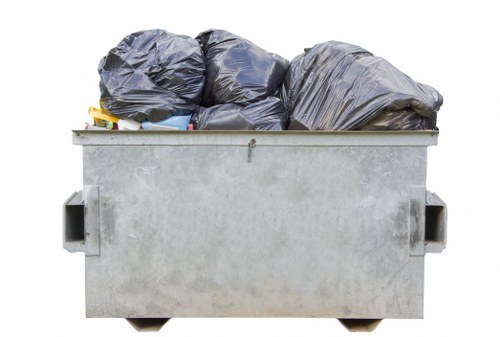 This Health and Safety Policy sets out the commitment of our flat clearance operation to protect the health, safety and welfare of staff, contractors and the public during all clearance and rubbish removal activities. The policy applies to all aspects of our Chelsea flat clearance work, from initial site assessment to final waste transfer and transport. It is intended to be practical and proportionate, reflecting the hazards associated with domestic and commercial flat clearance while promoting safe working methods and effective waste handling.
Our policy covers responsibilities, risk assessment, training, personal protective equipment and safe systems of work. Management will ensure that adequate resources are available, that risk reviews are carried out, and that staff receive supervision and instruction. Employees and contractors are required to cooperate with safety measures, follow safe working procedures and report hazards or incidents promptly. The scope includes all rubbish collection, removal of bulky items, recycling segregation, and secure loading for transport.
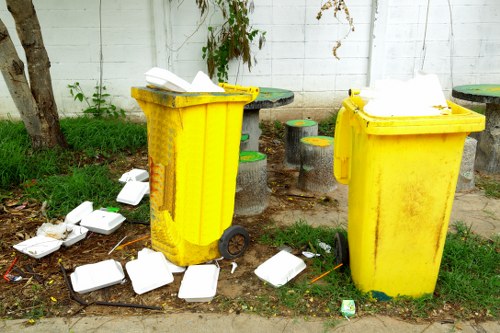 The arrangements below define how the flat clearance service in Chelsea manages common hazards. Key elements include:
- Pre-clearance risk assessment and site inspection to identify manual handling risks, trip hazards and access limitations.
- Safe manual handling techniques and mechanical aids to reduce strain.
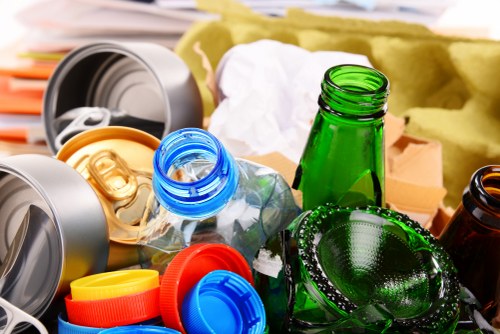
- Segregation of recyclable materials and safe containment of potentially hazardous waste.
Risk Assessment and Safe Working Procedures
Risk assessments are completed before each project to identify physical hazards such as sharp objects, asbestos risk indicators, broken glass, electrical appliances, and structural concerns within flats. Where potential hazardous materials are suspected, work is paused until a suitably qualified assessor has advised on safe removal or isolation. The flat clearance company Chelsea teams follow documented safe systems of work, which include step-by-step procedures for dismantling, bagging and moving items, and guidance on when to escalate to specialist removal contractors.
 Manual handling is a principal risk. Staff are trained in lifting techniques, use of trolleys, sack trucks and hoists, and in team lifting protocols for bulky furniture. The policy requires the use of appropriate PPE including gloves, steel-toe boots, hi-vis clothing and eye protection where necessary. Where mechanical aids are not feasible, additional personnel are allocated to reduce individual load and maintain safe posture during transfers.
Vehicles and transport are operated in accordance with safe loading rules to prevent shifting loads and overloading. Drivers and loaders are trained to secure loads, perform vehicle checks, and comply with safe driving practices. Waste handling documentation is maintained to trace material streams and ensure that materials destined for recycling or lawful disposal are processed correctly and safely.
Training, Supervision and Incident Management
The organisation provides ongoing training and competency checks for all staff engaged in clearance and rubbish removal in Chelsea. Training covers risk awareness, manual handling, PPE use, tool safety and procedures for identifying hazardous wastes. Supervisors conduct routine toolbox talks and refresher briefings to ensure that safe working practices remain current and that any procedural changes are communicated effectively.
 Incident reporting and investigation procedures ensure that injuries, near-misses and dangerous occurrences are recorded, investigated and used to drive continuous improvement. Corrective actions are implemented and communicated to staff to prevent recurrence. Where first aid is required, trained personnel are available and first aid kits are maintained at operational bases and in vehicles.
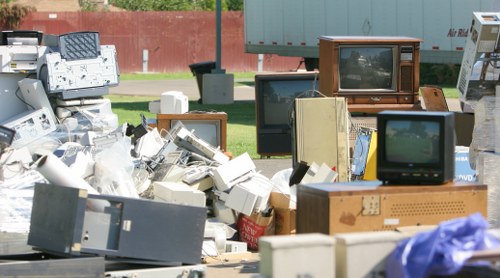 The policy emphasises environmental controls and responsible waste management. All staff must follow guidance for segregation and storage of recyclable materials, electricals, textiles and general household rubbish. Potentially hazardous items (chemicals, batteries, unidentified syringes) are handled only by trained personnel or passed to licensed hazardous waste contractors when appropriate. Records of waste transfer and disposal are maintained to support regulatory compliance and responsible resource management.
Performance is monitored through regular audits, site inspections and feedback from staff. The organisation commits to reviewing this Health and Safety Policy annually and following any significant change to operations or legislation. Continuous improvement is a core aim: identifying opportunities to reduce risk, improve training and optimise safe, efficient flat clearance operations.
Everyone involved in flat clearance activities is expected to take personal responsibility for safety: follow procedures, use PPE, report hazards and contribute to a culture that prioritises wellbeing and compliance. Management will provide leadership and support, ensuring that safety is integrated into planning and delivery of all clearance projects within our service area.
By adopting these measures, the company seeks to deliver a reliable, safe and environmentally responsible rubbish clearance service that protects staff, clients and the public while maintaining high standards of operational excellence.