Design Masterpieces from Discarded Materials with These Creative Upcycling Tips
Upcycling has revolutionized creative design and sustainable living by giving a new purpose to discarded materials. What once was considered trash can be transformed into remarkable works of functional art and home decor treasures. Whether you are an eco-conscious artist, a crafty homeowner, or simply seeking to enhance your sustainability efforts, learning to design masterpieces from discarded materials is both rewarding and inspiring.
In this comprehensive guide, you'll discover creative upcycling tips, insights into the significance of sustainable design, and a wealth of ideas to spark your next project. Through resourceful thinking and a touch of imagination, you'll realize that environmental responsibility and artistic expression go hand-in-hand.
Why Upcycling Matters: The Art & Impact of Creative Reuse
Upcycling is more than just a trend--it is a movement with profound environmental and social implications. By harnessing the potential of unwanted materials, you can reduce waste, lower your carbon footprint, and contribute to a culture of mindful consumption.
Benefits of Crafting From Discarded Materials
- Eco-Friendly: Reduces landfill waste and the demand on raw resources.
- Budget Conscious: Many raw materials are available free or very cheap.
- Unique Designs: Each piece has its own history and character.
- Skill Development: Enhances problem-solving, creativity, and crafting abilities.
- Personal Satisfaction: There's nothing quite like the pride in creating something beautiful from what was once neglected.
Upcycled masterpieces blur the line between art and functionality, turning everyday waste into conversation pieces and valuable assets.
Getting Started with Upcycling Design Masterpieces
Embarking on your upcycling journey doesn't require a professional workshop or costly materials. All it takes is an open mind, a few basic tools, and discarded items waiting for a second act. Here are some fundamental steps:
1. Gather Your Materials
Start by collecting discarded materials from your home or workspace. Commonly upcycled items include:
- Old furniture
- Wood pallets and crates
- Glass jars and bottles
- Scrap metal
- Textiles: denim, t-shirts, curtains
- Cardboard and paper
- Plastic containers
- Broken electronics
- Bicycle parts
- Old doors and windows
2. Plan Your Project
Be inspired by the materials themselves--what could a wooden crate become? How could a glass bottle function beyond its original use? Search for design inspiration in everyday life and online resources, and sketch a plan to guide your project.
3. Tools You'll Need
- Basic hand tools (screwdriver, hammer, pliers)
- Sandpaper or sanding block
- Paint and brushes
- Hot glue gun
- Utility knife
- Drill (for advanced projects)
- Measuring tape/ruler
- Safety gloves and goggles
*Remember to follow all safety instructions, especially when working with glass, metal, or electronics!*
4. Design and Assembly
Let your creativity lead the way. Sometimes, the most stunning upcycled masterpieces are those that embrace unexpected materials and playful design.
Creative Upcycling Tips to Design Incredible Pieces
-
Reimagine and Repurpose
Look beyond the intended function of an object, and ask how it could be transformed. An old ladder can morph into a rustic bookshelf. Worn jeans can become patchwork pillows. This fresh perspective is the core of upcycled design.
-
Blend Materials for Contrast
Combine wood with metal, glass with fabric, or even digital components with traditional materials. This not only adds aesthetic depth but demonstrates ingenious use of varied discarded materials.
-
Embrace Imperfections
Scratches, dents, and faded paint should be highlighted, not hidden. These natural signs of age offer authenticity and tell the story of your upcycled piece.
-
Add Color and Texture
A splash of paint or a touch of fabric can completely change the vibe of your design. Try bold hues or mix patterns for a quirky, personalized creation.
-
Functional and Decorative Use
Consider how your upcycled creation might serve dual purposes. For example, wine bottle chandeliers offer both illumination and artistic flair.
-
Explore Modular and Stackable Designs
Design with flexibility in mind. Stackable crates, modular shelving, or interlocking panels allow you to adapt your upcycled masterpiece to different spaces or needs.
-
Preserve the Past, Inspire the Future
Use discarded materials with a history--a barn door, suitcase, or industrial spool--to evoke nostalgia while serving a new, modern purpose.
Amazing Upcycling Project Ideas for Every Skill Level
If you're seeking inspiration to design masterpieces from waste, start with these accessible projects. Each offers room for personalization and can be completed with beginner to intermediate skills.
- Mason Jar Lanterns: Add wire handles and tealights to cleaned jars for gorgeous hanging lanterns or garden lights.
- Pallet Coffee Table: Sand and refinish old pallets, add casters, and top with glass for a stunning, rustic table.
- Wine Cork Bulletin Board: Glue saved wine corks into a frame to organize notes or photos in style.
- Old Sweater Pillows: Sew up the edges of worn sweaters and stuff them for cozy, textured throw pillows.
- Bicycle Wheel Wall Art: Spray paint and mount old wheels on the wall for an industrial-chic statement piece.
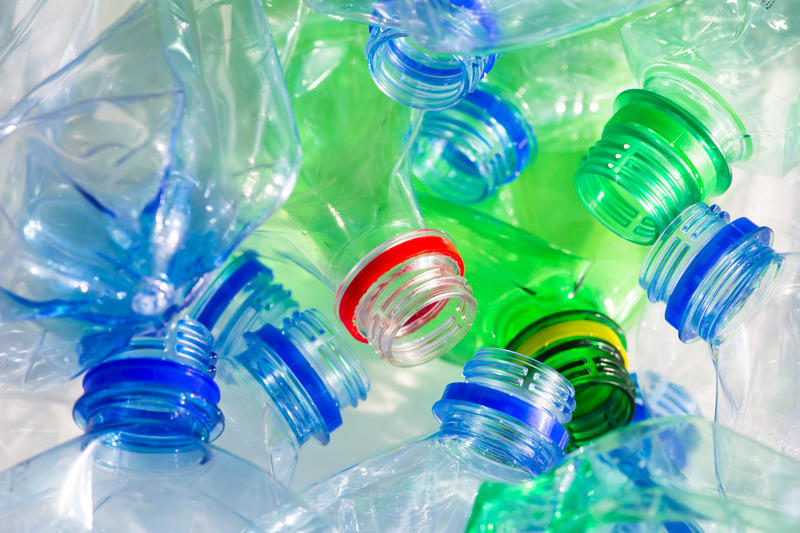
- Plastic Bottle Vertical Garden: Cut and stack bottles to create a space-saving, upcycled planter for herbs and flowers.
- Drawer Shelves: Mount vintage drawers directly to the wall for unique, display shelves.
- Spoon Hooks: Bend old metal spoons and attach them to a board for quirky coat or key hooks.
More Advanced Upcycling Ideas
- Door Headboard: Turn a weathered door into a bed headboard with sanding, painting, and wall mounting.
- Electronic Art: Salvage circuit boards and hardware for futuristic, steampunk-inspired wall art.
- Pallet Garden Furniture: Disassemble pallets to build seating, planters, or swings for your backyard oasis.
Tip: Don't hesitate to experiment! The best upcycled masterpieces often emerge from spontaneous design and learning from happy accidents.
Eco-Friendly Home Decor: Upcycle for Style and Sustainability
Upcycled designs are ideal for creating interiors that are as sustainable as they are stylish. Here's how you can seamlessly integrate eco-conscious pieces into your decor:
- Statement Lighting: Craft chandeliers from glass bottles, colanders, or unused wires for dramatic effect.
- Unique Wall Art: Create collage art from old magazines, newspapers, or fabric scraps for gallery-worthy displays.
- Furniture Revivals: Give lifeless chairs, tables or cabinets a fresh coat of paint or altered hardware for an upgraded look.
- Functional Accents: Use baskets from tires or magazine holders from cereal boxes to organize your space.
With thoughtful design, upcycled materials outshine their origins--delivering beauty, value, and a positive environmental message.
Top Resources for Upcycling Inspiration
The internet is brimming with ideas for anyone looking to design masterpieces from discarded materials. Explore these favorite sources:
- Instagram: Search for hashtags like #upcycledesign, #recycledart, or #trash2treasure.
- Pinterest: Boards dedicated to upcycling offer photos, step-by-step guides, and community tips.
- YouTube: Find DIY upcycling tutorials for everything from simple crafts to advanced woodworking.
- Online Communities: Join forums or Facebook groups where creators share ideas and answer project questions.
Don't underestimate the value of local workshops, thrift stores, and flea markets, where you can find both discarded treasures and inspiration from others.
Essential Tips for Successful Upcycling Projects
- Prep Materials Properly: Always clean, sand, and repair where needed before starting your project.
- Measure Twice, Cut Once: Reduce mistakes and material waste by planning carefully.
- Invest in Quality Tools: Good tools make the transformation process safer and more enjoyable.
- Safety First: Wear gloves, masks, and goggles when working with hazardous or sharp materials.
- Start Small: For beginners, start with simple projects and gradually increase complexity as your confidence grows.
- Share Your Creations: Post your upcycled masterpieces on social media and inspire others - your ideas might change the world!
Frequently Asked Questions About Upcycling Art and Design
Q: Can upcycling really create 'masterpieces'?
Absolutely! Some of the world's most innovative design comes from reinterpreting waste. Upcycled furniture, art, and decor pieces have found their place in galleries, design expos, and eco-stylish homes worldwide.
Q: Is upcycling difficult for beginners?
Upcycling is accessible to everyone. Start with simple materials and tools, and develop your skills as you go. The process is as much about learning as about perfection!
Q: How do I price or value my upcycled pieces?
Besides material cost, consider the uniqueness, hours of work, and artistic value. Handmade upcycled designs command a premium for their originality and environmental benefits.
Q: What materials are the most versatile for upcycling?
Wood, glass, textiles, and metal tend to be the easiest to reshape, refinish, and repurpose. Explore what you already have before seeking new sources.
Q: How can I create a 'cohesive' look with multiple upcycled pieces?
Use a unifying palette of colors, repeating textures, or style themes (industrial, rustic, boho). The beauty of upcycling is its ability to blend the eclectic and the harmonious.
Conclusion: Design a Sustainable, Stylish Future from Waste
Designing masterpieces from discarded materials is a celebration of creativity, resourcefulness, and commitment to a healthier planet. Whether you transform pallets into garden furniture, bottles into lighting, or fabric scraps into wall art, every project makes a difference.
As you put these creative upcycling tips into action, remember: There's no such thing as 'just trash'--only opportunity waiting for a creative mind. Your next design masterpiece might already be hiding in your recycling bin.
Get started today--collect, imagine, and transform. With every upcycled project, you'll add beauty to your life and take meaningful steps towards a more sustainable world.