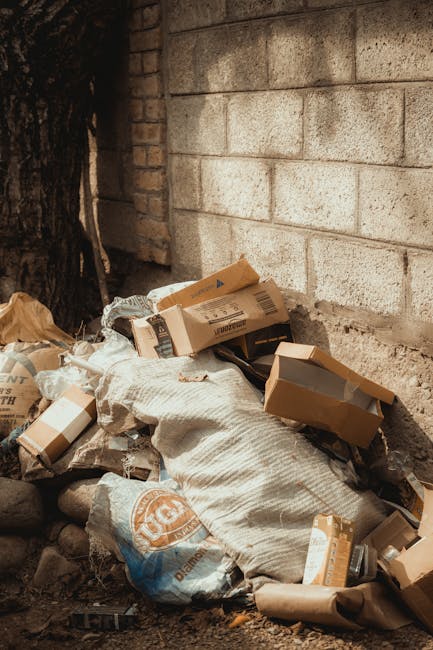
Avoid hidden charges when booking rubbish clearance in Chelsea SW3
If you are trying to clear rubbish in Chelsea SW3, the last thing you want is a cheerful quote that grows legs. One price on the phone, another after the van arrives, then a surprise charge for stairs, weight, timing, or some vague "access issue". It happens more often than people like to admit. The good news? You can usually avoid hidden charges when booking rubbish clearance in Chelsea SW3 with a bit of care, a few smart questions, and a clear idea of what a proper quote should include.
This guide walks you through what hidden fees look like, why they happen, how to compare quotes properly, and what to check before anyone turns up outside your flat, house, office, or mews property. It is written for real-life situations, not theory. So whether you are clearing a single sofa, a heap of builders' offcuts, or a full property after a move, you will know how to protect yourself.
Key takeaway: a trustworthy rubbish clearance quote should be clear, specific, and matched to what is actually being removed. If it feels slippery, it probably is.
Table of Contents
- Why hidden charges matter
- How pricing should work
- Benefits of transparent pricing
- Who needs this most
- Step-by-step guidance
- Expert tips for better results
- Common mistakes to avoid
- Tools, resources and recommendations
- Law, compliance and best practice
- Options and comparison
- Case study or real-world example
- Practical checklist
- Conclusion
- Frequently asked questions
Why Avoid hidden charges when booking rubbish clearance in Chelsea SW3 Matters
Hidden charges are not just annoying. They can completely change whether a rubbish clearance job feels fair or feels like a bad deal. In an area like Chelsea SW3, where access can be tighter, parking can be awkward, and properties often have stairs, basements, or courtyard layouts, vague pricing creates room for problems. The quote might look fine at first glance, then the final bill includes "extra labour", "waiting time", or a "minimum load supplement" nobody explained properly.
That matters for two reasons. First, you are budgeting for a real household or business task, and it is much easier to plan when the price is honest. Second, if the company is not transparent before the job starts, it can be difficult to challenge extra costs after the van is loaded. To be fair, some extra charges are legitimate when the job changes. But legitimate is not the same as unexpected.
There is also a trust issue. A clear quote usually reflects a clear process. A slippery quote often points to a slippery service. You do not need drama with your rubbish collection. You need a price that makes sense and a team that sticks to it.
If you want to understand how a professional service frames its costs, it is worth reading the guidance on pricing and quotes and the wider service standards explained on waste removal.
How Avoid hidden charges when booking rubbish clearance in Chelsea SW3 Works
A fair rubbish clearance quote should normally be based on a few core things: the volume of waste, the type of waste, the labour involved, and the access conditions. If the company understands those details upfront, the quote should be much closer to the final price. If they do not ask questions, that is usually where trouble begins.
Here is the basic way it should work. You describe what needs removing. The company asks for photos or a rough estimate. They may ask about floor level, lift access, parking restrictions, whether items are heavy or awkward, and whether the waste includes anything specialised. Then they provide a price range or fixed quote based on those details. If the job changes on arrival, the price can change too, but that should be explained before work starts.
In Chelsea SW3, access can be a real factor. A ground-floor flat with rear access is very different from a top-floor apartment with a narrow staircase and no lift. A pile of mixed builders' waste is different from a few pieces of furniture. A fridge or mattress is different again. A good company will ask enough to get the job right, not just get you booked in.
It also helps to understand what a quote is actually covering. A good one should usually state whether the price includes collection, labour, loading, disposal, and any known special handling. If it does not say, ask. No shame in that. In fact, it is the sensible thing to do.
Key Benefits and Practical Advantages
The obvious benefit is saving money. But the real advantage goes deeper than that. Transparent pricing saves time, reduces friction, and makes it easier to compare providers on a like-for-like basis. You are not having to decode a vague promise while the van idles outside. You already know where you stand.
- Better budgeting: you can plan ahead without leaving a cushion for mystery costs.
- Less stress on the day: nobody wants a pricing argument in the doorway.
- Cleaner comparisons: fixed or clearly itemised quotes are much easier to assess than broad estimates.
- Better service fit: when the company knows the true job, it can send the right crew and vehicle.
- Fewer disputes: clear terms mean fewer awkward conversations later.
There is also a practical side people often miss. When you are comparing rubbish clearance services, the cheapest headline price is not always cheapest overall. A slightly higher quote with clear inclusions can be better value than a low teaser price with add-ons lurking behind it. Let's face it, a bargain that doubles halfway through is not really a bargain.
If your clearance includes mixed items, furniture, appliances, or even a full room reset, the following service pages may help you understand what different job types can involve: furniture clearance, mattress and sofa disposal, and fridge and appliance removal.
Who This Is For and When It Makes Sense
This matters for anyone booking rubbish clearance in Chelsea SW3, but some situations carry more risk than others. If you are only clearing a few light bags from a ground-floor room, the quote is usually straightforward. Once the job becomes more complex, hidden charges become more likely if you are not careful.
It is especially relevant for:
- flat owners and tenants dealing with end-of-tenancy clearance
- landlords preparing a property between occupancies
- homeowners tackling decluttering or a renovation clean-up
- busy professionals who need a quick, one-off collection
- businesses clearing office stock, packaging, or old furniture
- builders and tradespeople with rubble, plasterboard, or mixed site waste
If you are dealing with a larger property clearance, a more detailed service such as house clearance, home clearance, or flat clearance may be more appropriate than a simple ad hoc collection. The more moving parts there are, the more important it is to get the quote in writing and pin down the details.
It also makes sense when time is tight. If you are trying to hand back keys, start a renovation, or get a room ready for guests, there is no room for pricing surprises. You want the job done once, properly, and at the agreed amount.
Step-by-Step Guidance
If you want to avoid hidden charges when booking rubbish clearance in Chelsea SW3, follow a process rather than winging it. Winging it sounds fine until the invoice lands. Then not so much.
- List exactly what needs removing. Include item types, approximate quantity, and whether anything is unusually heavy, fragile, awkward, or restricted.
- Take clear photos. Shots from a few angles help the company estimate volume and access. A quick photo by daylight is usually better than a rushed guess on the phone.
- Explain access clearly. Mention stairs, lifts, basements, rear entrances, parking issues, or timed access restrictions.
- Ask what is included. Confirm whether labour, loading, disposal, congestion, and parking-related time are part of the price.
- Check for extra charges. Ask directly whether there are call-out fees, minimum charges, surcharges for bulky items, or weekend rates.
- Request the quote in writing. A text or email is far easier to refer back to than a vague phone promise.
- Confirm waste type. Some materials may need separate handling. If you are unsure, ask before booking.
- Get agreement before loading starts. If the crew sees something different on arrival, they should explain the revised price before work proceeds.
A practical example: if you say "a bit of mixed rubbish" but the pile turns out to include rubble, timber, a broken wardrobe, and a heavy appliance, the job may no longer match the original estimate. That is not necessarily a hidden charge. It is a changed job. The difference is transparency.
For jobs involving mixed waste or site leftovers, it can help to compare your needs with builders waste clearance or review what is acceptable in a load using what can go in a skip. Even if you are not ordering a skip, the material rules are still useful to understand.
Expert Tips for Better Results
In our experience, the best way to avoid surprises is to behave like a careful buyer, not a rushed one. You do not need to interrogate every company like a detective, but you do need a few clean, direct questions.
Tip 1: Ask for the total price, not just the starting price. If a quote sounds suspiciously low, that can be a red flag. Ask, "Is this the full cost if the job matches the photos and description?"
Tip 2: Be specific about awkward items. A worn-out sofa, a fridge, or a mattress can carry different handling needs. If your clearance includes bulkier items, it is worth checking the relevant service guidance, such as mattress and sofa disposal.
Tip 3: Keep the items accessible. If possible, group waste together and clear a path. That reduces labour time and makes the job easier to price fairly.
Tip 4: Avoid vague language. Say "three bin bags, one armchair, two broken shelves, and a small pile of cardboard" rather than "some stuff". The latter may sound easygoing, but it creates pricing wiggle room.
Tip 5: Ask how the company handles amendments. If more rubbish is discovered on the day, will they re-quote or charge by an agreed rate? It is a small question that can save a lot of hassle.
And one more thing: if a company seems irritated by reasonable questions, that tells you more than the answer did. Honestly, a straightforward business should not mind being straightforward back.
For service standards, payment clarity, and what to expect from a professional provider, the pages on payment and security and insurance and safety are useful reference points.
Common Mistakes to Avoid
A lot of hidden charge problems begin with perfectly reasonable people making small, understandable mistakes. The issue is that those little gaps become invoice surprises later.
- Accepting a quote without checking access: stairs, parking, and distance from vehicle to waste all affect labour.
- Not mentioning bulky or special items: appliances, mattresses, heavy furniture, and certain waste types may require different handling.
- Choosing only on headline price: the cheapest initial number is often the least useful comparison.
- Failing to get terms in writing: if you cannot revisit the quote, you cannot easily challenge it.
- Assuming "all-inclusive" really means all-inclusive: ask what that phrase actually covers.
- Leaving everything until the last minute: rushed bookings leave less time to compare properly.
There is a subtle trap here too: assuming every extra cost is unfair. Sometimes there really is a fair reason for adjustment, especially if the job on site is materially different from what was described. The goal is not to argue every penny. The goal is to know why the price has changed, before anyone starts carrying things downstairs.
Another mistake is forgetting that Chelsea properties can have access quirks. A lovely-looking terrace can hide a narrow side path, and a compact flat can mean a lot of stairs. No drama, just reality. Plan for it.
Tools, Resources and Recommendations
You do not need special software or anything fancy to keep control of costs. A few simple tools are enough.
- Phone camera: take clear photos of the waste and access route.
- Notes app or checklist: write down what is being removed so you do not forget anything when speaking to the company.
- Measurements: rough dimensions help when you have bulky furniture or awkward objects.
- Email or text trail: keep the written quote and any amendments in one place.
Useful website pages can also help you understand service differences before you book. For example, if you are dealing with an office or business unit, the pages on office clearance and business waste removal may be more relevant than a domestic clearance page. If you are clearing a loft, then loft clearance may give you a better idea of what the job could involve.
If your clearance includes sensitive paperwork or confidential files, use the right route rather than mixing everything together. Confidential shredding is the cleaner, safer option when documents need destroying rather than just dumping.
For long-term trust signals, it is worth reviewing pages such as about us, complaints procedure, and recycling and sustainability. These do not change the quote, but they do help you judge whether the business seems organised and accountable.
Law, Compliance, Standards, or Best Practice
This is one area where careful wording matters. Waste removal in the UK is subject to legal and environmental duties, and responsible providers should operate within those obligations. As a customer, you do not need to become a compliance expert, but you do want to avoid handing your waste to anyone who seems casual about where it ends up.
Good practice usually means the company can explain how waste is handled, whether items are reused or recycled where appropriate, and whether any specialist items need separate disposal. If they are vague about this, ask more questions. A professional outfit should be able to explain its process in plain English without getting defensive.
There are also practical safety considerations. Heavy lifting, sharp materials, broken items, and contaminated waste can all create risk. If you are clearing builders' waste or anything potentially hazardous, the company should treat it differently from ordinary household clutter. Do not assume everything can go in one pile. It often cannot.
For that reason, it helps to check service-specific guidance such as hazardous waste disposal and health and safety policy. Even if your job is simple, those pages signal the standards you should expect from a reputable provider.
Best practice on your side is simple: describe the waste honestly, confirm the price clearly, and do not agree to extra charges without understanding them. That's the whole thing, really.
Options, Methods, or Comparison Table
People often compare rubbish clearance against skipping, DIY trips to a disposal site, or simply waiting for regular collection. Each option has a place. The trick is choosing the one that suits the job, the access, and the budget. Here is a straightforward comparison.
| Option | Best for | Strengths | Watch-outs |
|---|---|---|---|
| Booked rubbish clearance | Quick removal of mixed waste, furniture, or bulky items | Convenient, labour included, less lifting for you | Quote accuracy matters; access can affect cost |
| Skip hire | Projects with ongoing waste generation | Useful for longer jobs, flexible loading | You load it yourself; permit and placement issues may apply |
| DIY disposal trips | Small loads and available transport | Potentially lower direct cost | Time, fuel, handling, and multiple trips add up quickly |
| Breakdown and separate disposal | Sorted items, reusable furniture, lighter loads | Can reduce waste volume and cost | More time and effort, plus more decisions |
If you are unsure whether a skip-style route suits your waste stream, the page on what can go in a skip is a handy way to understand material restrictions. For bigger clearances, you might also compare with furniture disposal or garage clearance depending on what is actually being removed.
Truth be told, the right method usually comes down to one simple question: do you want to spend your time moving rubbish, or would you rather pay for someone else to do it properly and transparently?
Case Study or Real-World Example
A Chelsea tenant was moving out of a second-floor flat and needed a quick clearance of a sofa, two chairs, several bin bags, and an old microwave. The first quote sounded attractive, but it was given after only a brief phone call and no photos. When the crew arrived, they realised the building had narrow stairs, no lift, limited parking, and the sofa had to be split before removal. The final cost was higher than expected.
Now, compare that with a better approach. The second time around, the customer sent photos, explained the access route, and listed every item carefully. The company confirmed the collection price in writing, including the known labour requirement. The job still took effort, naturally, but there were no awkward additions at the end. The customer knew what they were paying and why.
That is the whole difference in practice. The waste did not change; the information did. And once the information improved, the surprise costs disappeared. Not glamorous, but very effective.
Practical Checklist
Use this before you book. A minute here can save a headache later.
- Have I listed every item to be removed?
- Have I included photos of the waste and access route?
- Have I explained stairs, lift access, parking, and distance to the vehicle?
- Have I asked what is included in the price?
- Have I checked for minimum charges or surcharges?
- Have I confirmed the quote in writing?
- Have I asked what happens if the job changes on arrival?
- Have I identified any special items, such as appliances, mattresses, or hazardous waste?
- Have I compared more than one provider?
- Have I checked trust signals like policies, complaints handling, and payment clarity?
Quick rule of thumb: if a company cannot explain its pricing simply, it may not be simple pricing. And that matters.
Conclusion
Avoiding hidden charges when booking rubbish clearance in Chelsea SW3 is not about being suspicious of everyone. It is about being clear, organised, and calm enough to ask the right questions before the job starts. The best providers will welcome that. They should. A good quote is a sign of a good process.
When you know what is being removed, how accessible it is, and what the price includes, you put yourself in control. That means fewer surprises, fewer arguments, and a far smoother day overall. Whether you are clearing one bulky item or a full property, transparent pricing is worth insisting on. It just makes life easier, which is no small thing in a busy part of London.
Get a free quote today and see how much you can save.
If you are planning a more specialised clearance, it can also help to explore the related service pages on house clearance, flat clearance, or builders waste clearance so you can match the service to the job properly.
Frequently Asked Questions
What counts as a hidden charge in rubbish clearance?
A hidden charge is any fee that was not clearly explained before the job started. Common examples include extra labour, access fees, minimum load charges, weekend supplements, or add-ons for items that should have been discussed upfront.
How can I compare rubbish clearance quotes properly?
Compare quotes on the same basis: waste type, volume, access, labour, disposal, and any extras. A cheaper headline price may not be cheaper overall if it leaves out important costs.
Should I send photos before booking rubbish clearance?
Yes, if possible. Photos help the company estimate the job more accurately and reduce the risk of the price changing later because the waste or access was misunderstood.
Do stairs usually increase the price?
They can, because stairs often mean more labour and more time. That does not make the charge unfair by itself, but it should be disclosed before the booking is confirmed.
Can I avoid extra charges by sorting my rubbish first?
Sometimes, yes. Clear sorting can reduce labour and make it easier to quote. It can also help if you have reusable items, furniture, or a small amount of mixed waste rather than a single awkward pile.
What should be included in a fair rubbish clearance quote?
Usually the quote should clearly state collection, loading, labour, and disposal, plus any known extra factors. If anything is unclear, ask before accepting the quote.
Are weekend or same-day collections more expensive?
They can be, depending on the company. If timing matters, ask about any time-based charges before confirming the booking so the schedule does not become the surprise.
What if the waste turns out to be different on the day?
The company should explain any revised price before work continues. If the actual job differs from what was described, some adjustment may be fair, but it should never appear out of nowhere after loading is complete.
Is it better to book a skip or a clearance service?
It depends on the job. A clearance service is often better for bulky items, mixed waste, or when you want labour included. A skip can suit ongoing projects where you are happy to load it yourself.
How do I know if a rubbish clearance company is trustworthy?
Look for clear pricing, written quotes, sensible questions about access, and straightforward information about payment, safety, and complaints handling. A trustworthy company usually sounds organised rather than vague.
Can furniture, appliances, and mattresses all be collected together?
Often yes, but they may be priced or handled differently depending on the provider and the item types. It is best to mention everything in advance, especially heavier or bulkier items.
What is the safest way to handle hazardous or unusual waste?
Do not mix it in with ordinary rubbish. Ask the provider how it should be handled and check whether a specialist disposal route is needed. That protects both the price and the people doing the removal.
Is a written quote really necessary?
Very much so. A written quote gives you something to refer back to if there is a disagreement later. It is one of the simplest ways to avoid hidden charges and misunderstandings.
What should I do if I think I have been overcharged?
Raise it promptly and calmly, using the written quote and any messages or photos you kept. If the company has a complaints procedure, use it. Clear records make these conversations much easier.